Cameroon's Giant Showcasing the Region’s Biggest Wood Plant
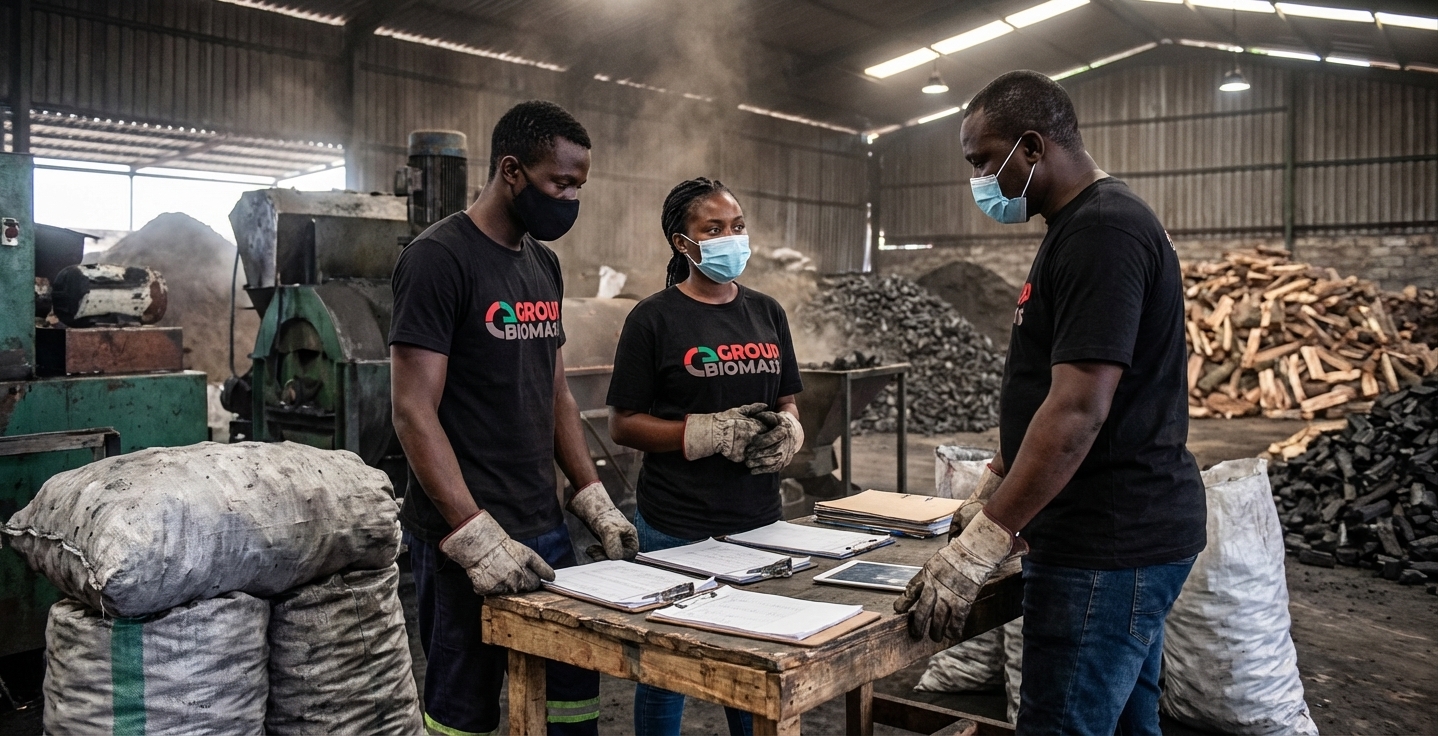
Deep within the country, a significant site stands as a representation to the growing demand for wood fuel . This industrial complex, reportedly the nation’s largest charcoal plant , is attracting attention for both its output and the evident environmental ramifications. While creating livelihoods for regional communities, the operation’s processes are sparking debate about ethical forest harvesting and the long-term preservation of the country's natural resources.
Natural Briquet Charcoal Export Boom: The Rising Star
Cameroon is witnessing a substantial surge in hardwood lump charcoal sales, positioning itself as a major nation in the global market. Thanks to increasing demand from the US and Asian markets, the country’s output of this renewable fuel is steadily expanding, offering promising avenues for regional populations and boosting the country's prosperity. The emphasis on environmentally friendly hardwood granulated carbon is proving to be a essential aspect in attracting global buyers.
Inside Cameroon’s Hardwood Lump Charcoal Factory: Production & Sustainability
Stepping into a typical Cameroon hardwood lump carbon factory uncovers a rather straightforward method of production. Raw trees, often sourced from responsible woodlands, are meticulously felled and moved to a kiln. Inside, the timber is slowly heated with restricted oxygen, a method that transforms it to granular charcoal. Despite the established methods employed can be labor-intensive, more contemporary factories are adopting improved techniques and trying methods to hardwood lump charcoal vs briquettes improve their output and ecological conservation. This covers allocating in clean power and implementing thorough debris control plans.
Cameroon's Charcoal Industry : A Major Role in International Sales
Despite mounting environmental concerns , Cameroon’s lump charcoal sector remains a surprising yet vital role in the global shipment landscape. The manufacture of charcoal from forest biomass is a important origin of income for thousands of local communities, particularly in remote areas . This operation generates a substantial volume of wood charcoal heading for overseas consumers, often supporting energy needs in other countries , though this reliance creates challenges relating to deforestation and sustainable woodland protection.
Le Entre Charbon de Bois Lump de Bois Dur et Les Briquettes Une Perspective Camerounaise
Dans le Cameroun , le décision entre le combustible de bois dur massif et des briquettes pose une interrogation . Habituellement, le charbon de bois dur a toujours été privilégié en ses goût authentique et son qualité à donner une température forte, appropriée pour les cuissons locales . Cependant, , les briquettes , plus pratiques de obtenir et moins chères , attirent en popularité , notamment dans les régions citadines .
Sustainable Charcoal Making : The Trajectory of Cameroon’s Timber Industry
The traditional method of charcoal production in Cameroon presents a serious problem to its valuable hardwood woodlands . However, innovative sustainable practices offer a viable path forward. These feature technologies like wood waste conversion and efficient earth ovens , which lessen deforestation, lower emissions, and create livelihood opportunities for local communities . Embracing these eco-friendly alternatives is crucial to preserving Cameroon's precious heritage and guaranteeing the long-term viability of its hardwood business while tackling climate change .